
Twence builds foundation for strategic asset management with SAP APM
 14 September, 2026
From isolated data points to insights we can build on
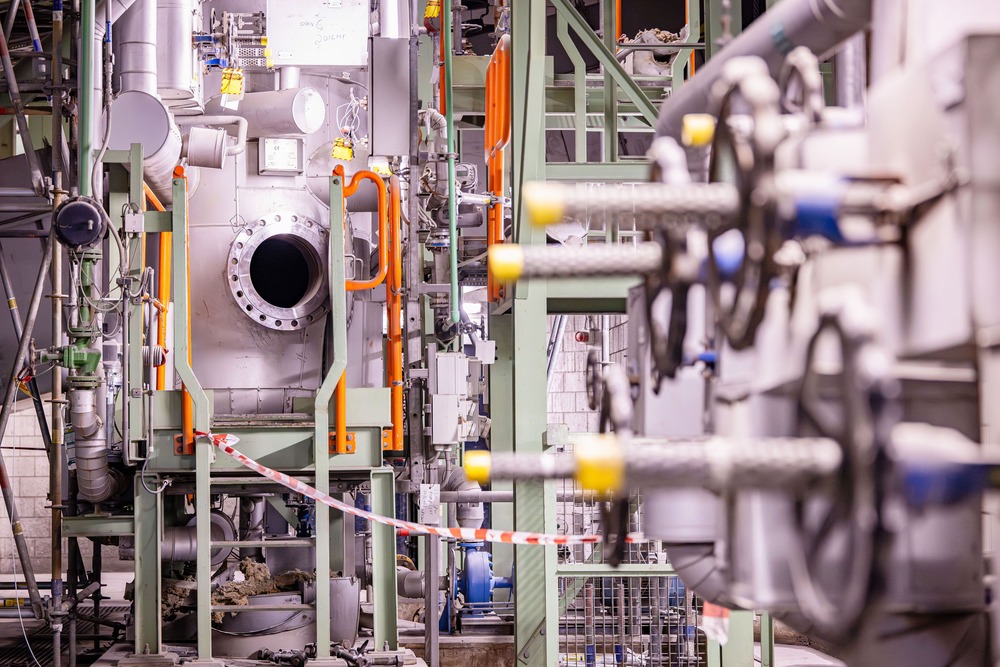
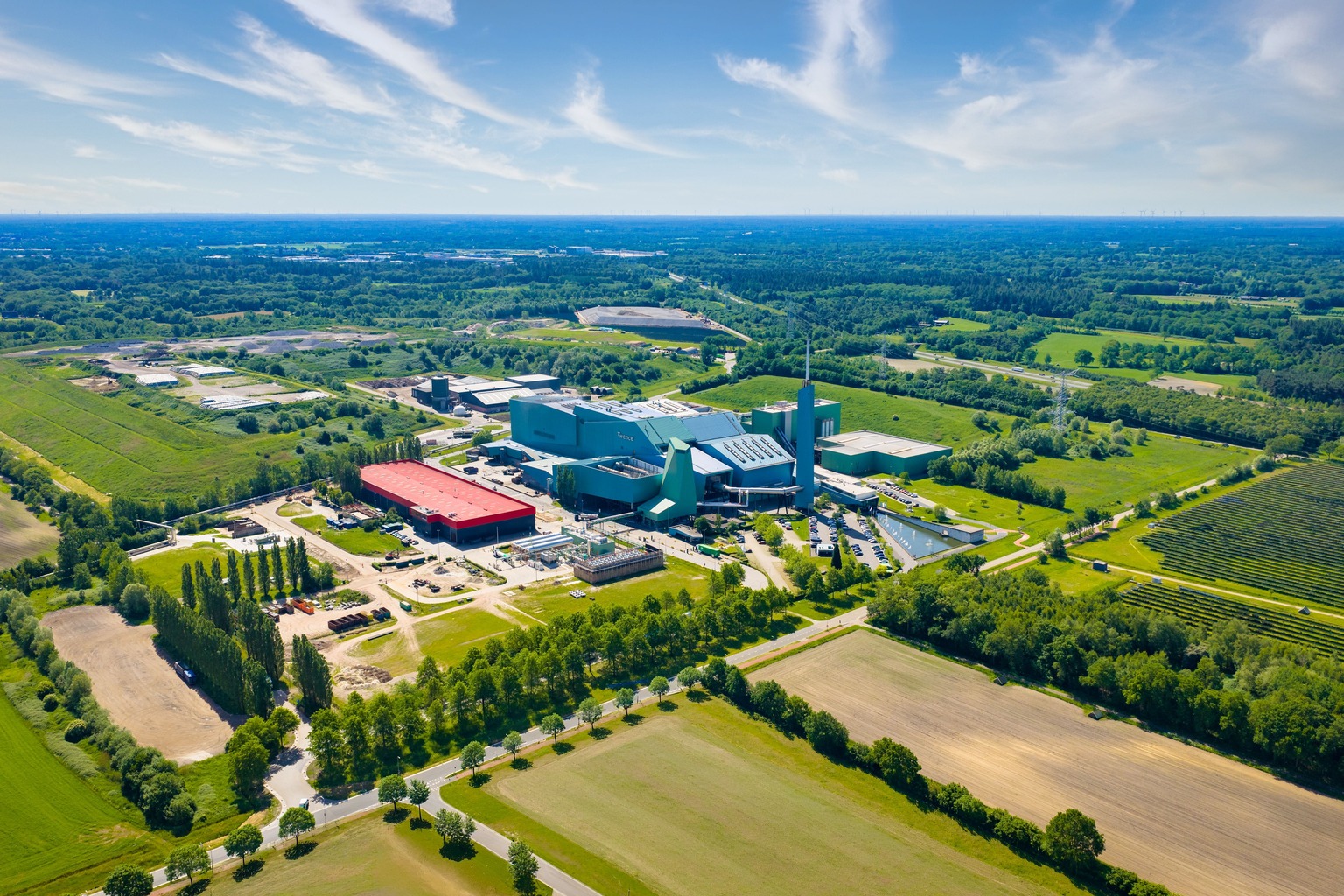
Every day, Twence is committed to creating a more sustainable and circular society by converting waste streams into energy and reusable raw materials. Behind this social mission lies a complex network of facilities, including waste treatment plants, composting facilities, manure processing plants, and solar farms.
The continuity of assets is essential for efficiently processing waste and producing sustainable energy and raw materials. To further professionalize asset management and establish a foundation for data-driven decision-making, Twence implemented SAP Asset Performance Management (SAP APM).
A circular mission requires reliable assets
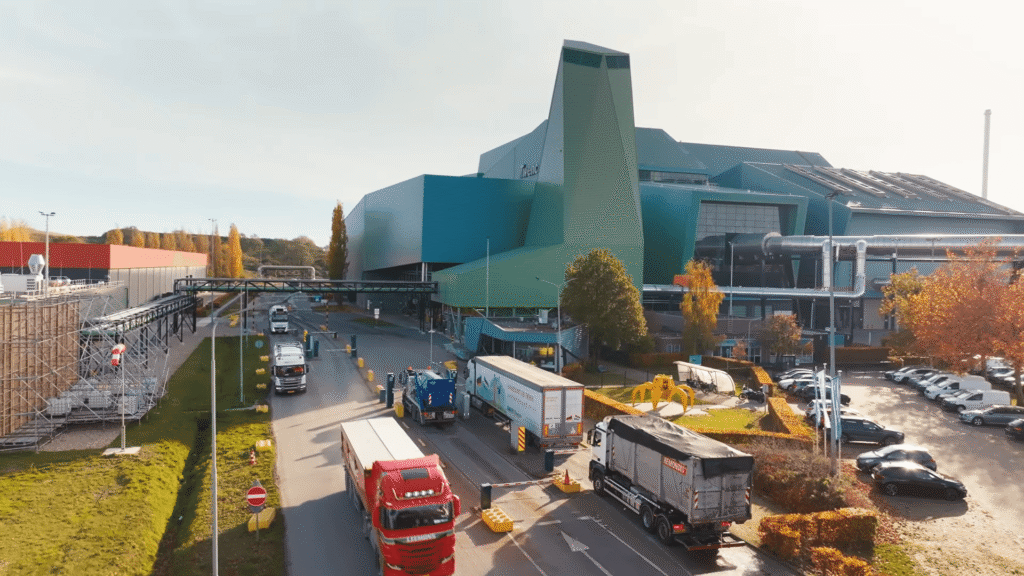
Twence’s operations never stop. Every day, hundreds of trucks carrying waste drive onto the site and are directed to different facilities depending on the composition of their loads. The facility portfolio is constantly growing and evolving, in part due to investments in waste processing, post-separation, CO₂ recovery, and other sustainable processing technologies.
Innovation is therefore not a one-off project, but an ongoing process. New facilities, changing laws and regulations, and new sustainability goals require an organization that is constantly looking ahead. This also applies to asset management. The availability and reliability of the facilities have a direct impact on operational performance and on Twence’s contribution to the circular economy. Proper maintenance is therefore a strategic pillar within the organization.
Better insights start with better data
At Twence, data is playing an increasingly important role in maintenance and asset management. Sensors and IoT solutions continuously provide information about the performance of systems. This data is consolidated into dashboards, which provide insight into maintenance costs, disruptions, and asset performance, among other things.
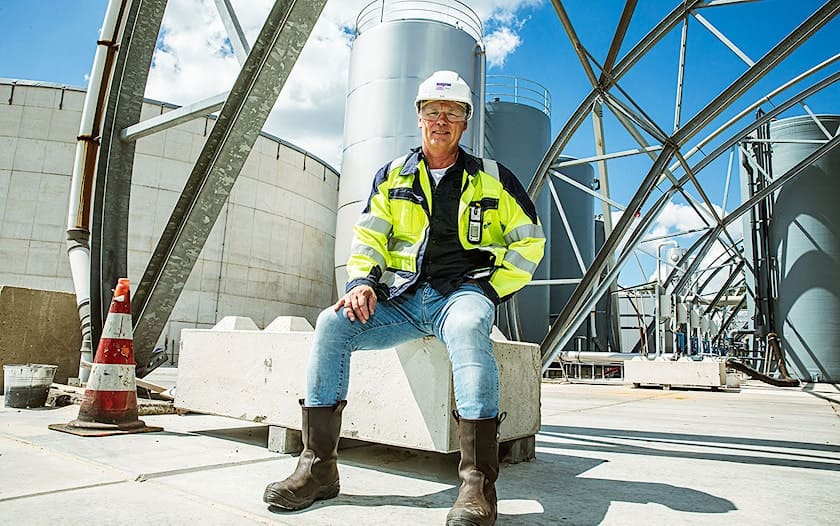
To determine the right maintenance strategy, Twence conducts FMECA analyses. For a long time, these analyses were largely recorded in Excel. Peter Bekker, Maintenance Engineer at Twence, explains: “With Excel, everyone could develop their own way of working. That provided a lot of freedom, but it also led to varying results. One person would enter data one way, while another would do it their own way. That makes it difficult to compare data accurately.”
“One person would enter data one way, while another would do it their own way. That makes it difficult to compare data accurately.”
Peter Bekker, Maintenance Engineer
Standardizing maintenance data actually creates a consistent dataset on which reliable analyses and reports can be based. This not only forms the foundation for better insights into maintenance and risks, but also for future optimizations of the installed base.
Migration from SAP ASPM to SAP APM
The switch to SAP APM was prompted by the phase-out of SAP ASPM, but at the same time it provided an opportunity to further professionalize asset management. Stef Haverkate, Senior Business Analyst at Twence, explains:
Whereas Excel left a lot of room for individual interpretation, SAP APM helps to record maintenance information in a standardized way. In addition, SAP APM supports risk-based maintenance. By assigning risk profiles to assets and centrally recording FMECA analyses, Twence can make increasingly effective use of the available data and better substantiate its maintenance strategies.
Working together to build a future-proof solution
For the implementation of SAP APM, our team worked closely with the Twence team. Peter: “We’ve known each other for years. That means we don’t have to keep explaining how our organization works. Communication channels are short, and if something comes up, we can respond quickly.” The implementation was carried out in stages. Through short sprints, we worked toward a solution that aligns with the day-to-day operations of Twence’s maintenance team.
The biggest change following the implementation of SAP APM may not be technical, but organizational. Peter: “At first, it feels like you’re losing freedom. But precisely because everyone makes the same choices and records the same data, you end up with data you can actually use.” According to Stef, that’s exactly where the benefit lies: “Standardization can sometimes feel restrictive, but ultimately it leads to better insights. You’re laying a foundation that allows you to analyze data more intelligently and make better decisions.”
“Standardization can sometimes feel restrictive, but ultimately it leads to better insights.”
Stef Haverkate, Sr. Business Analyst
SAP APM as a solid foundation
For Twence, the implementation of SAP APM is not an end in itself, but rather the beginning of the next phase in the digitization of asset management. The organization is continuing to work on standardizing maintenance processes, using tools such as SAP Fiori and the 9-phase model. At the same time, it is exploring the next steps on the roadmap, such as further integration of SAP solutions and new functionalities that further support asset management.
By continuing to develop step by step, Twence is building a maintenance organization that operates in an increasingly data-driven manner.
Control your data, control your future
With SAP APM, Twence is building a solid foundation for strategic asset management. Not by focusing directly on short-term results, but by standardizing processes, recording data in a uniform manner, and continuously improving the basis for decision-making.
Facts
Customer: Twence
Branche: Utilities
Service: SAP Consultancy
Products:
SAP Fiori
SAP Asset Performance Management (SAP APM)