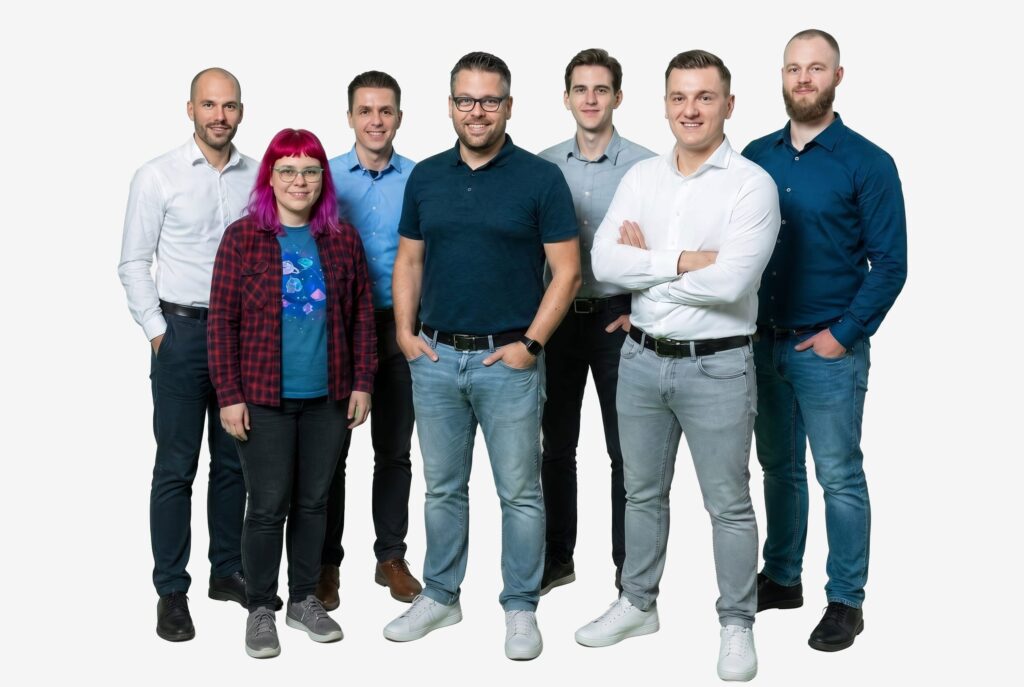
In practice, we see that organizations that simplify and integrate their IT landscape make a real difference. As Bart Elshout, Director of Technology, puts it:
“Many organizations, for example, have only just completed an S/4HANA transition. In doing so, they have often once again incorporated too much customization, which frequently fails to meet ‘clean core’ standards. As a result, they lack flexibility or are forced to revert to the standard and best practice. Users are then unable to work with the system because they do not recognize it.”
Problems caused by the lack of a foundation
“In practice, this gives rise to all sorts of bottlenecks. Staff have to switch between systems in which information is not always up to date or available in full. This leads to errors and delays that are immediately apparent in operations and decision-making. By treating systems, data and processes as a whole, you create an IT foundation on which your supply chain can function effectively.”
Opportunities for innovation
“This sustainable IT foundation then creates scope for innovation. Think of modern user interfaces and mobile applications that ensure employees – from the office to the field – always have access to the right information. In addition, platforms such as SAP BTP make it possible to implement integrations, extensions and innovations outside the core. This allows you to implement innovations such as AI, data analytics and IoT more quickly, enabling you to further automate your processes. You can then better substantiate your decisions with real-time insights without disrupting the stability of your core. The ‘clean core’ principle is therefore very important.”