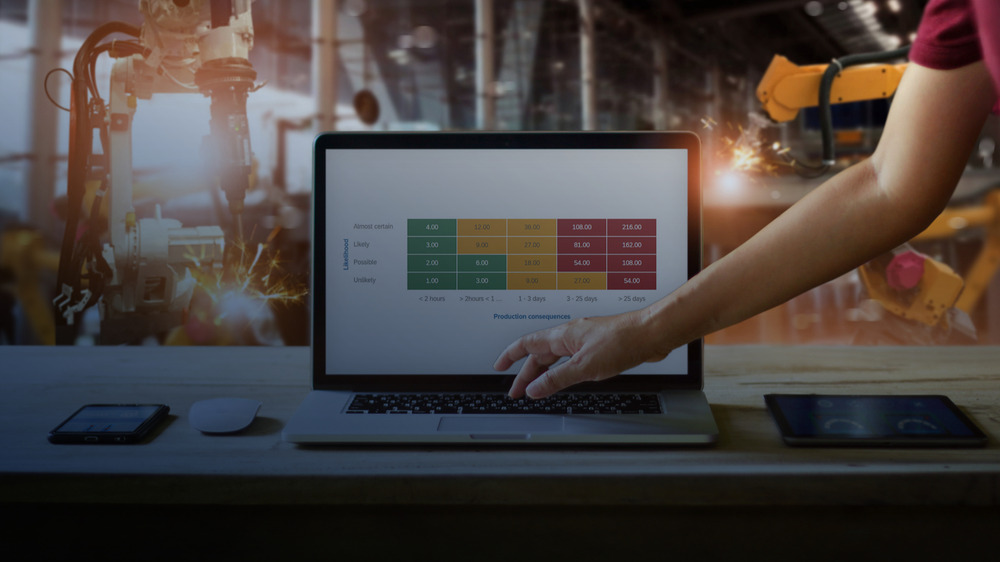
“Ideally, throughout the asset lifecycle, you want to gather as much data as possible about the asset to ensure it performs as well as possible. Although investments are often linked to the start or end of the asset lifecycle, in practice they are primarily determined by what happens whilst the assets are in use. It is precisely during this operational phase that the information providing insight into performance, wear and tear, maintenance requirements and risks is generated. As assets age, maintenance costs and the likelihood of breakdowns increase, whilst replacement investments have a major impact on budgets and planning. Organizations are therefore constantly forced to make choices that have an immediate impact on costs, availability and risks.”
Customer satisfaction as a basis for strategic decisions
“Carrying out maintenance on assets provides valuable insights into performance, wear and tear, costs and customer satisfaction. These insights highlight where assets are under strain, where costs are rising and where service provision is falling short. As such, maintenance processes form an important basis for well-informed decisions on lifecycle management, investment and improvement. At the same time, service is increasingly evolving from a traditional cost centre into a source of value creation. Customer experience plays a central role in this: aspects such as the speed of service, the reliability of service delivery and the ease with which customers can submit reports and track their progress are becoming increasingly decisive for success. It is precisely these moments in the customer journey that reveal where friction arises and where optimization is possible. As a result, service insights are increasingly becoming direct input for strategic choices and future organizational goals.”
Employee satisfaction
“As well as improving customer performance, higher staff satisfaction can also be one of the business objectives. In a market where technical staff are in short supply, modern tools and smart processes help to ease the workload on staff and enable them to work more efficiently. At the same time, this makes organizations more attractive to new generations of technicians, who expect to work with innovative technology and forward-looking working methods.”